
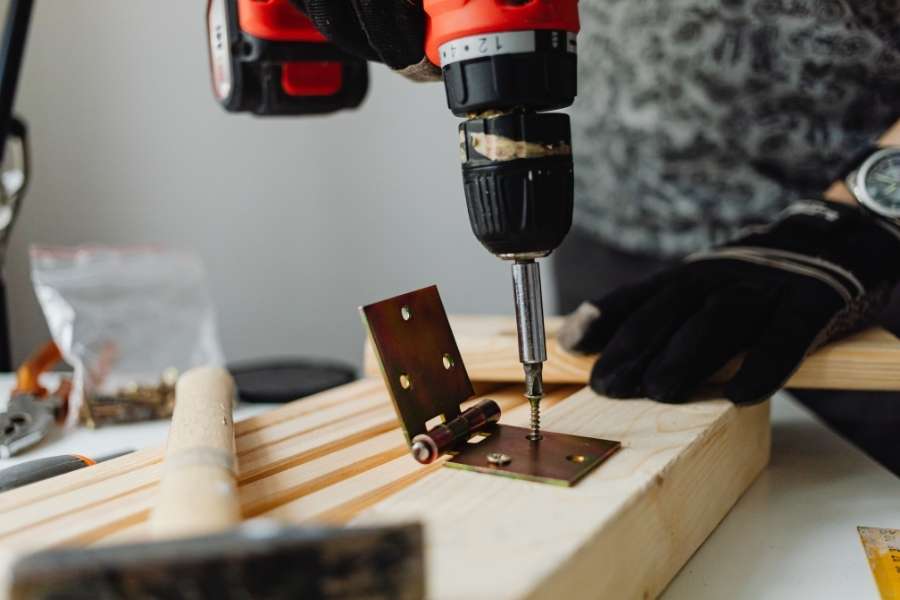
Woodworkers often debate if biscuit joinery still holds value today. High-tech tools now dominate many professional workshops. However, the humble biscuit joiner remains a reliable ally. It solves the universal problem of perfect wood alignment. This tool uses a biscuit cutter to create a precise slot mortise. A compressed wooden plate then fits snugly inside. It creates a stable, hidden bond for your projects.
The magic happens when the glue hits the wood. The biscuit swells and locks the joint tight. It turns a stressful panel glue-up into a breeze. You no longer fight shifting boards during clamping. Is it a relic of the past? Not when your reputation depends on flat surfaces. This plate joinery technique saves hours of heavy sanding. It is the secret to professional results at home.
Table of Contents
The True Strength of the Biscuit Joiner
Many ask: biscuit joiner vs pocket hole which is better for strength? Pocket holes offer mechanical grip but zero alignment help. Biscuit joinery excels at keeping faces perfectly flush. It is essential for high-quality edge joining tasks. You can find metal buildings for sale to keep your gear safe. Proper alignment reduces the need for thick planers. It keeps the natural beauty of your wood intact.
Strength is often misunderstood in the woodworking world. Is biscuit joinery strong enough for furniture today? For cabinets and tabletops, the answer is a clear yes. The glue bond handles the structural load perfectly. The biscuit provides lateral stability and extra surface area. It prevents joints from sliding under heavy pressure. Professionals still rely on this workshop tool daily. It bridges the gap between speed and precision.
| Joinery Type | Primary Function | Best Use Case |
| Biscuit Joinery | Alignment & Surface | Table tops and cabinets |
| Pocket Holes | Fast Fastening | Frames and shop jigs |
| Domino/Tenon | Structural Strength | Chairs and heavy doors |
How to Use a Biscuit Joiner for Beginners
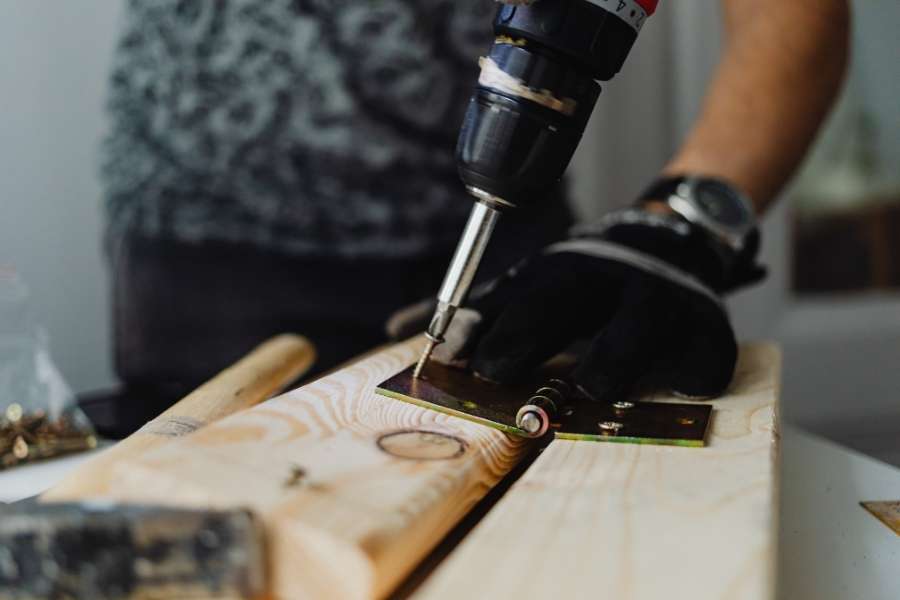
Learning how to use a biscuit joiner for beginners is very simple. First, mark your boards with a pencil line. Align the tool’s center mark with your pencil. Plunge the blade to create a clean slot mortise. Just like you inspect and maintain your roof you must check your tool settings. Apply glue inside the slot and on the biscuit. Assemble the pieces and apply firm clamp pressure.
The tool offers a small amount of lateral play. This allows for tiny adjustments during the assembly. It is much more forgiving than using traditional dowels. This flexibility is vital for complex living space optimization projects. You can slide the boards for a perfect fit. Always reference the tool from the “show” face. This ensures the top surfaces remain completely flat. It makes your final finishing steps much faster.
| Biscuit Size | Length | Best Application |
| #0 | 47mm | Small frames or thin trim |
| #10 | 53mm | Medium furniture and drawers |
| #20 | 56mm | Large panels and tabletops |
Investing in the Best Biscuit Joiner for Your Shop
Finding the best biscuit joiner for home woodworking shop use is key. Avoid cheap models with fences that flex easily. A solid fence ensures your slots are always square. Look for models with excellent dust extraction ports. Clean slots lead to much stronger glue bonds. High-quality motors also reduce vibrations during the cut. This accuracy is what defines professional space management in projects.
| Feature | Entry Level | Professional Grade |
| Fence Material | Stamped Steel | Cast Aluminum |
| Handle Style | Barrel Grip | Top D-Handle |
| Depth Stops | Plastic Dial | Metal Turret |
Frequently Asked Questions about Biscuit Joinery
Is biscuit joinery outdated for modern furniture?
No, it remains a top choice for alignment. It is faster than most modern alternatives. Many pros use it alongside newer systems. It stays relevant for its specific purpose.
What is the best glue for biscuits?
Use standard PVA wood glue for best results. The water in the glue triggers swelling. This creates the tightest possible mechanical fit. Avoid epoxy or polyurethane for standard biscuits.
Can I use biscuits for mitered corners?
Yes, they provide great reinforcement for miters. They keep the corners from opening up. This is perfect for frames and boxes. It adds strength to weak end-grain joints.
How many biscuits should I use?
Space them every 6 to 10 inches apart. Avoid placing them too close to edges. This ensures maximum stability across the entire joint. It prevents the wood from warping later.
