
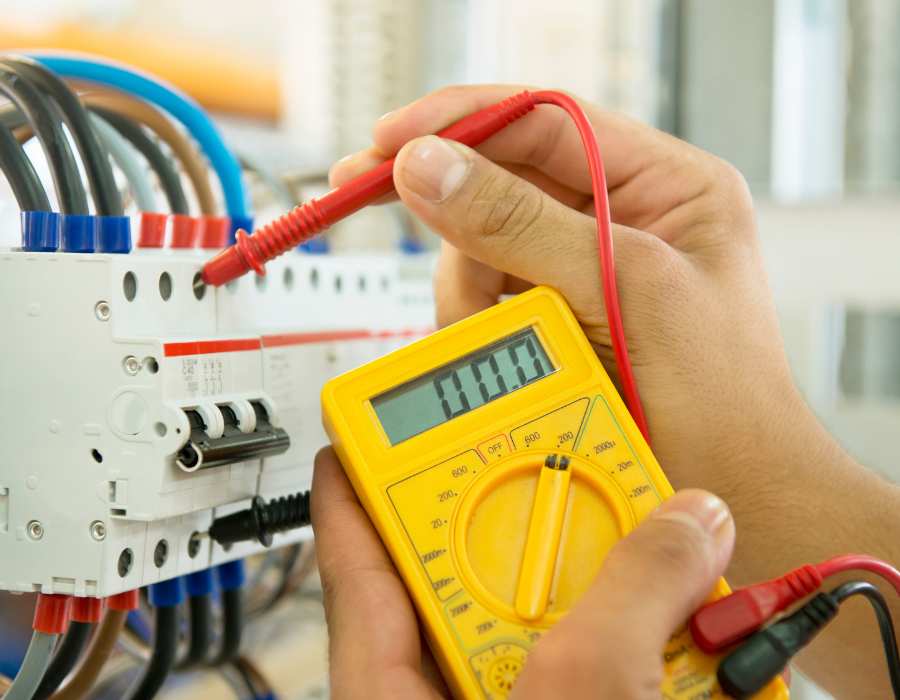
Living in an old home often comes with its charm and historical value, but it also brings certain challenges, particularly with electrical systems. Common electrical issues in old homes can pose serious safety risks if not addressed properly. This article delves into the frequent electrical problems you might encounter in old homes and provides practical solutions to fix them, ensuring your home remains safe and functional.
Electrical common Issues : Outdated Wiring Systems
Outdated wiring systems in old homes are a prevalent issue. The electrical systems in many older homes were not designed to handle the load of modern appliances and technology. This often results in overloaded circuits, frequent tripping of breakers, and sometimes even electrical fires. The insulation on old wires can also degrade over time, increasing the risk of short circuits.
Fixing outdated wiring systems involves a thorough inspection by a qualified electrician. They will identify faulty wires and recommend replacing the entire wiring system if necessary. Upgrading to modern wiring standards will enhance safety and improve the overall electrical efficiency of your home. Consider installing circuit breakers instead of old fuse boxes, as they provide better protection against overloads.
Electrical common Issues : Faulty Electrical Outlets
Faulty electrical outlets are another common issue in old homes. Outlets that feel warm to the touch, make buzzing noises, or have burn marks are clear signs of problems. These issues arise due to wear and tear over time or improper wiring practices used during the home’s construction.
To fix faulty outlets, start by turning off the power at the circuit breaker. Remove the outlet cover and inspect the wiring for any visible damage. If the wiring appears frayed or burnt, it’s crucial to replace the outlet. Use outlets with built-in surge protection to safeguard against electrical surges. For a comprehensive solution, hiring a professional electrician is recommended to ensure all outlets in the home are safe and up to code.
Insufficient Electrical Panel Capacity
Insufficient electrical panel capacity is a significant concern in older homes. The electrical panels in these homes were not designed to support the high electrical demand of today’s households. This can lead to frequent tripping of breakers and potential fire hazards.
Upgrading the electrical panel is essential for handling modern electrical loads. An electrician will assess your current panel and determine if an upgrade is needed. They might recommend installing a new panel with higher capacity and additional circuits to distribute the load more evenly. This upgrade not only improves safety but also allows for future electrical additions without overloading the system.
Lack of Ground Fault Circuit Interrupters (GFCIs)
Lack of Ground Fault Circuit Interrupters (GFCIs) is common in older homes. GFCIs are crucial for preventing electrical shocks, especially in areas prone to moisture, such as bathrooms, kitchens, and outdoor spaces. Without GFCIs, the risk of electrical shock increases significantly.
Installing GFCIs in these areas is a relatively simple fix that enhances safety. Replace standard outlets with GFCI outlets, ensuring they are properly grounded. This installation can be done by a homeowner with basic electrical knowledge or by an electrician to guarantee compliance with current safety standards.
Electrical common Issues : Inadequate Lighting
Inadequate lighting is often due to outdated fixtures or insufficient electrical capacity. Older homes may have fewer light fixtures, leading to dim and poorly lit rooms. This not only affects the aesthetics but can also pose safety risks.
Improving lighting involves installing additional fixtures and upgrading existing ones. Use energy-efficient LED bulbs to reduce the load on the electrical system. Consider adding dimmer switches for adjustable lighting levels. Ensure that new fixtures are compatible with your home’s electrical capacity, and if necessary, upgrade the wiring to support the additional load.
Flickering Lights
Flickering lights are a common issue and can indicate several underlying problems, such as loose connections, voltage fluctuations, or overloaded circuits. This issue can range from mildly annoying to a sign of a more serious electrical fault.
To address flickering lights, start by checking the light bulb to ensure it is securely screwed in. If the problem persists, inspect the light switch and wiring connections for any looseness or damage. If flickering occurs throughout the house, it may be due to an overloaded circuit or a problem with the main electrical panel. In such cases, professional assistance is necessary to diagnose and resolve the issue.
Conclusion
Understanding common electrical issues in old homes and how to fix them is essential for maintaining safety and functionality. Addressing outdated wiring systems, faulty electrical outlets, insufficient electrical panel capacity, lack of GFCIs, inadequate lighting, and flickering lights ensures your home remains a safe and comfortable place to live. Regular inspections and timely upgrades by qualified electricians are crucial in preventing electrical hazards and enhancing the overall efficiency of your home’s electrical system.