
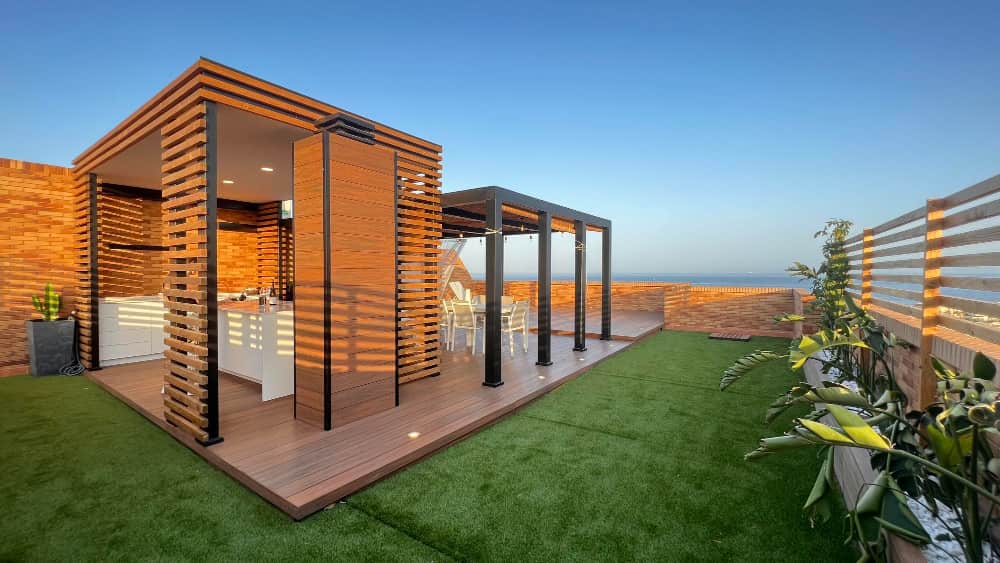
Outdoor living spaces have become an essential part of modern homes. Gardens, terraces, and patios are no longer just decorative areas; they are now extensions of the home where people relax, entertain guests, and spend time with family. As a result, homeowners are increasingly looking for solutions that make outdoor areas comfortable and functional throughout the year.
One of the most innovative solutions in outdoor design is the bioclimatic pergola. These structures combine modern design, advanced technology, and smart climate control to create comfortable outdoor spaces in almost any weather condition. Thanks to their adjustable features and durable materials, bioclimatic pergolas have become a popular choice for homeowners who want to maximize their outdoor areas.
In this complete guide, we will explore what bioclimatic pergolas are, how they work, their main benefits, and why they are becoming a key feature in modern outdoor architecture.
What Is a Bioclimatic Pergola?
A bioclimatic pergola is a modern outdoor structure designed to regulate temperature, sunlight, and airflow naturally. Unlike traditional pergolas that provide only partial shade, bioclimatic pergolas feature adjustable aluminum louvers on the roof that can be rotated to control sunlight and ventilation.
These adjustable slats can open, close, or tilt depending on the weather conditions. When fully closed, they create a waterproof roof that protects against rain. When partially open, they allow sunlight and airflow to pass through, helping maintain a comfortable environment beneath the pergola.
This intelligent design allows the structure to adapt to different climates and seasons, which is why it is called “bioclimatic.” The system works in harmony with natural elements such as sun, wind, and temperature to create a pleasant outdoor environment.
How Do Bioclimatic Pergolas Work?
The functionality of a bioclimatic pergola lies mainly in its motorized or manual adjustable louvers. These roof slats can rotate up to around 120–160 degrees depending on the model, allowing users to control how much sunlight or shade enters the space.
For example, during a hot summer day, the louvers can be tilted to block direct sunlight while still allowing air to circulate. This creates natural ventilation that reduces heat buildup under the pergola.
When it rains, the louvers can close completely to form a watertight surface. Many systems also include integrated drainage channels that direct rainwater through the structure’s posts, preventing water from dripping into the seating area below.
Some advanced models also include automation features such as rain sensors, wind sensors, and remote controls, allowing the pergola to adjust automatically depending on weather conditions.
Key Benefits of Bioclimatic Pergolas
1. Year-Round Outdoor Comfort
One of the biggest advantages of bioclimatic pergolas is their ability to make outdoor spaces usable throughout the year. The adjustable roof allows homeowners to adapt the space according to changing weather conditions.
Whether it is a sunny afternoon, a windy evening, or a light rain shower, the pergola can be adjusted to maintain comfort and protection.
2. Modern and Elegant Design
Bioclimatic pergolas are known for their sleek and contemporary appearance. Most models feature clean lines, minimalist structures, and neutral colors that blend seamlessly with modern architecture.
Because they are usually made from aluminum, they can be customized in various finishes and sizes, making them suitable for gardens, terraces, rooftops, or poolside areas.
3. Energy Efficiency
Another major benefit is their contribution to energy efficiency. By controlling sunlight and airflow, bioclimatic pergolas can help regulate temperature in adjacent indoor areas. When placed next to large windows or sliding doors, they can reduce direct sunlight entering the house and help keep interiors cooler.
This natural climate regulation may reduce the need for air conditioning during warmer months.
4. Increased Property Value
Installing a bioclimatic pergola can significantly enhance the value of a property. Modern outdoor living spaces are highly desirable in real estate, and a well-designed pergola can transform a basic patio into a luxurious outdoor lounge area.
For homeowners considering resale in the future, this type of structure can make a property more attractive to potential buyers.
Materials Used in Bioclimatic Pergolas
Most bioclimatic pergolas are constructed primarily from powder-coated aluminum. Aluminum is lightweight, durable, and highly resistant to corrosion, making it ideal for outdoor structures exposed to weather conditions.
Unlike wood, aluminum requires minimal maintenance and does not warp, crack, or rot over time. The powder coating also protects the structure from UV rays and environmental damage.
In addition to aluminum frames and louvers, many pergolas include accessories made from glass, fabric screens, or LED lighting elements that enhance both functionality and aesthetics.
Optional Features and Accessories
One of the reasons bioclimatic pergolas are so popular is their high level of customization. Many systems can be equipped with additional features that improve comfort and usability.
Common accessories include:
- Integrated LED lighting for nighttime use
- Motorized side screens for privacy and wind protection
- Sliding glass panels to create a semi-enclosed outdoor room
- Infrared heaters for colder seasons
- Smart home integration for automated control
These features allow homeowners to transform a simple pergola into a fully functional outdoor living area.
Where Can You Install a Bioclimatic Pergola?
Bioclimatic pergolas are extremely versatile and can be installed in a variety of outdoor spaces. Some of the most common locations include:
- Garden patios
- Rooftop terraces
- Poolside relaxation areas
- Outdoor dining spaces
- Restaurant terraces and hospitality venues
Because they are available in both freestanding and wall-mounted designs, they can adapt to different architectural layouts and space limitations.
Maintenance and Durability
Another advantage of bioclimatic pergolas is their relatively low maintenance requirements. Aluminum structures typically need only occasional cleaning with water and mild soap to maintain their appearance.
The mechanical components, such as motors and moving louvers, are designed for long-term durability. However, regular inspections and basic maintenance can help ensure optimal performance for many years.
High-quality models are built to withstand strong winds, heavy rain, and prolonged sun exposure, making them a reliable investment for outdoor living.
Why Bioclimatic Pergolas Are Trending in Modern Outdoor Design
The popularity of bioclimatic pergolas reflects a broader shift in the way people use their homes. Outdoor areas are no longer secondary spaces; they are becoming integral parts of daily living.
Homeowners now want gardens and terraces that function as outdoor living rooms, dining areas, or entertainment zones. Bioclimatic pergolas support this lifestyle by providing flexible protection against weather conditions while maintaining an open and natural atmosphere.
Architects and designers also appreciate their versatility because they combine aesthetics, sustainability, and technological innovation in a single structure.