
Did you ever step into your basement and find cold water pooling around your socks? That small puddle is often a warning. A failing water heater will rarely quit without making noise or leaving clues first. Most people ignore these signs until fifty gallons of rusty water ruin their floors. The Insurance Institute for Business and Home Safety confirms that plumbing failures cause massive property losses every year. You can spot the warning signs early and save your home from serious damage.
The Costly Anatomy of a Failing Water Heater
Your domestic heater works day and night under high pressure to keep your showers warm. It holds dozens of gallons of hot water ready for your family every single day. Cold water enters the bottom, heats up rapidly, and expands inside a heavy steel cylinder. When internal parts wear out, the metal shell takes the direct brunt of that heat. Catching small problems early stops a sudden flood before it destroys your basement. Homeowners often calculate a bathroom faucet replacement cost while upgrading aging plumbing fixtures during routine home repairs.
The Sacred Shield: Anode Rods and Tank Corrosion
Every steel appliance uses an internal sacrificial rod made of magnesium or aluminum. This metal rod draws corrosive minerals to itself so the steel shell stays safe. Over several years, this protective rod dissolves away until bare steel is left exposed. Without that rod, water attacks the welded seams directly. Major manufacturers like Rheem and A.O. Smith urge homeowners to check this rod regularly. A depleted rod leaves your tank defenseless against rapid internal rust.
- Sacrificial protection: The rod corrodes first to keep the steel shell intact.
- Thermal fatigue: Heating and cooling cycles crack the internal glass lining over time.
- Galvanic reactions: Copper and steel connections without proper fittings rust very quickly.
“A burst storage unit is not bad luck; it is usually the result of an overlooked sacrificial rod.”
Heat Cycles and Mineral Sediment Accumulation
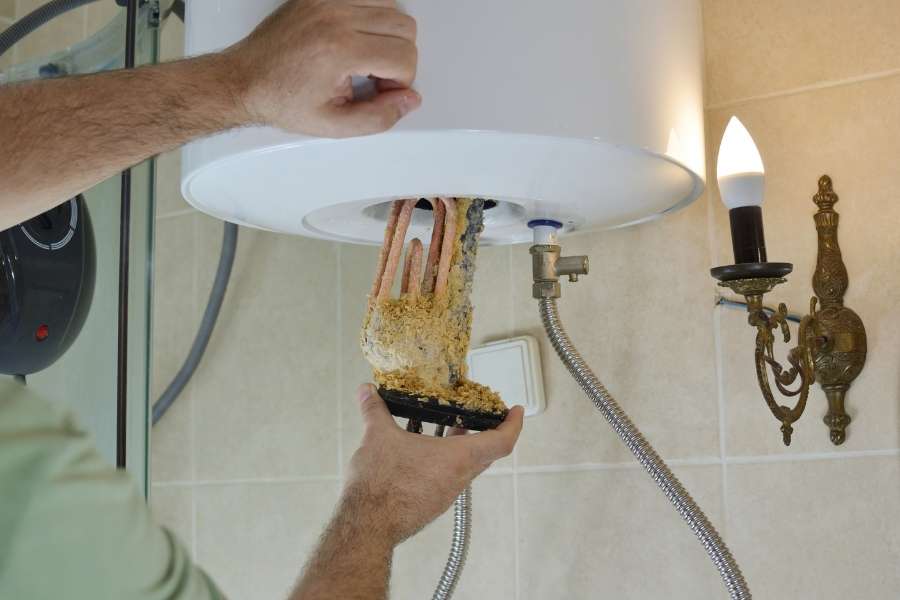
Hard tap water brings heavy dissolved minerals right into your utility room. Every time your system heats up, calcium and lime drop directly to the bottom. These loose minerals slowly bake into a thick, solid layer of stony scale. That rocky blanket sits directly between the burner and the water inside. The bottom metal plate gets overheated and weakens after years of hard use.
Strange Sounds from Below: Decoding the Noise
A healthy appliance warms your water with very little sound during daily operation. Loud groaning or popping from the utility closet means something is wrong inside. You must pay attention to any sudden mechanical noise coming from below. Resolving unexpected sounds is similar to diagnosing common plumbing issues and how to fix them across your household pipe network. Taking immediate action keeps small fixture vibrations from turning into costly emergency plumbing repairs.
What Causes Rumbling Noises in a Water Heater
Homeowners often ask what causes rumbling noises in a water heater when taps are running. The main culprit is water boiling under a thick layer of calcified sediment. Steam bubbles form under this rocky crust and pop violently as they escape upward. That violent action makes your pipes rattle and sounds like popping corn. The Department of Energy warns that mineral buildup reduces energy efficiency very quickly. Leaving that scale in place leads directly to cracked metal and leaks.
High-Pitched Whines and Metallic Groaning
Electric units use metal heating rods submerged directly in the water volume. When scale covers those metal rods, they emit a high screeching sound. The heating element struggles to push heat through that hard mineral crust. Gas units make groaning sounds as the bottom plate expands against its mounts. These sharp vibrations loosen pipe joints and cause slow drips around your fittings.
Visible Moisture: Locating Every Dangerous Leak
Water on the floor is the clearest red flag you will ever see. You need to identify where that water is coming from right away. Finding a small drip early can save you from a catastrophic indoor flood.
Distinguishing Condensation from a Structural Tank Leak
Not every drop of water means your internal storage cylinder has ruptured. Cold winter water creates condensation on warm outer pipes and metal jackets. You should dry the outer shell with a rag to locate the actual source. Check your pipe fittings, drain spigot, and upper valves for running drips. If water seeps out from under the outer insulated jacket, you have a broken tank. A fractured inner shell cannot be patched and requires a full replacement immediately.
- Inspect top fittings: Check cold inlet and hot outlet pipes for loose threaded joints.
- Check the drain valve: Inspect the bottom spigot for loose seals or worn washers.
- Watch the safety line: Make sure the overflow pipe is not dripping onto the floor.
Temperature and Pressure Relief Valve Red Flags
The safety valve on top protects your home from dangerous buildup of excess pressure. It lifts automatically to vent boiling steam when internal conditions get too extreme. A safety valve that drips constantly is trying to tell you something important. Mineral scale can jam the spring, or your domestic water force is running too high. Never cap or plug this safety tube to stop a wet puddle. Blocking that safety line can turn your appliance into a dangerous hazard.
Tainted Flows: Rust, Metallic Odors, and Discoloration
Hot water should flow from your faucets clean, clear, and odor-free every day. Dirty water that appears only when hot taps run points directly to your appliance. Corroded metal parts contaminate your domestic water supply long before a seam splits open.
Brown Water and the Advance of Internal Rust
Rusty water running into your bathtub signals advanced internal metal decay. Fill two clean clear glasses side by side at your kitchen sink. If cold water is clear and hot water is orange, you have internal rust. Flakes of corroded iron break off inner walls and enter your water lines. Once rust eats through the protective lining, the main shell grows dangerously thin. That steady loss of metal makes your system vulnerable to sudden rupture under regular force.
Rotten Egg Smells and Bacterial Colonization
A foul rotten-egg smell coming from hot taps points to a chemical reaction. Harmless bacteria feed on sulfur compounds inside warm, low-oxygen water environments. These microbes interact with decomposing magnesium rods and create pungent hydrogen sulfide gas. While this smelly gas does not burst steel, it proves your internal rod is spent. Flushing the cylinder and swapping the rod will clear up your water quickly.
Burners, Elements, and Sudden Temperature Drops
Lukewarm showers are a classic hint that your heating system is wearing down. When internal parts degrade, the unit cannot maintain steady heat throughout the day. Paying attention to water temperature helps you prevent total equipment failure.
Inconsistent Temperatures and Rapid Hot Water Loss
Cold water enters the appliance through a long plastic dip tube inside the cylinder. This tube guides cold water straight to the bottom heating zone. When old plastic tubes crack, cold water mixes directly with hot water near the top. Your showers will turn cold after only a few short minutes of use. Check your faucet aerators for small pieces of broken white plastic. Finding plastic bits confirms your internal dip tube has completely disintegrated.
Burner Malfunctions and Pilot Light Complications
Gas appliances require a clean burner and a steady supply of fresh air. A flickering or unlit pilot light means your thermocouple sensor has worn out. Yellow burner flames and black soot show that gas is not burning cleanly. Dirty burners cause dangerous carbon monoxide buildup and scorch the bottom metal plate. If you smell gas or notice black soot on access doors, shut it down immediately.
Emergency Prevention: How to Flush Sediment from a Tank Water Heater
Routine flushing is the single best maintenance habit you can build. Clearing out loose minerals keeps your system quiet and running efficiently for years. Homeowners who service their appliances regularly avoid premature breakdowns and costly emergency calls.
A Practical Step-by-Step Maintenance Routine
Learning how to flush sediment from a tank water heater is very simple. Connect a common garden hose to the drain valve at the base. Run the other end out to your driveway or into a floor drain. Turn off power or switch your gas valve to the pilot setting first. Open the drain spigot and let dirty water run out until it looks clear.
- Cut the power: Switch off the circuit breaker or turn gas to pilot mode.
- Hook up the hose: Thread a garden hose onto the bottom brass drain valve.
- Open the spigot: Turn the drain valve open with a flathead screwdriver.
- Break the vacuum: Turn on a hot faucet upstairs to let air in.
- Rinse the base: Open the cold inlet valve briefly to churn up stubborn scale.
Signs That Your Water Heater Needs Replacement
Recognizing the clear signs that your water heater needs replacement saves money. Most storage appliances last between eight and twelve years under normal residential use. If your appliance is over ten years old, repairs rarely make good financial sense. Look for damp insulation, constant base leaks, or rust streaks down the metal jacket. Finding any persistent leak around the bottom edge means the inner cylinder has failed. Installing a modern replacement unit brings reliable hot showers and lower monthly energy bills.
Spotting Early Warnings with Confidence
Understanding how to tell if your water heater is failing protects your living space. Watch for unusual noises, discolored hot water, damp floorboards, and poor heating performance. Do not wait for a small basement trickle to turn into an uncontrolled indoor flood. A quick inspection today gives you time to plan a smooth replacement on your schedule.
Frequently Asked Questions
How long do standard storage water heaters typically last?
Most residential storage units last between eight and twelve years depending on water quality and maintenance. Annual flushes and timely anode replacements help quality units operate reliably for over a decade.
Can a failing water heater explode like a bomb?
A storage unit can burst open violently if the safety valve fails while temperatures climb unchecked. Modern appliances use safety shutoffs and limit switches that make explosive physical bursts very uncommon today.
Why does my hot water look cloudy or milky straight from the tap?
Milky water is usually caused by harmless tiny air bubbles trapped under normal household water pressure. If cloudy water leaves gritty white dust behind in your glass, mineral scale has spread into your plumbing lines.