
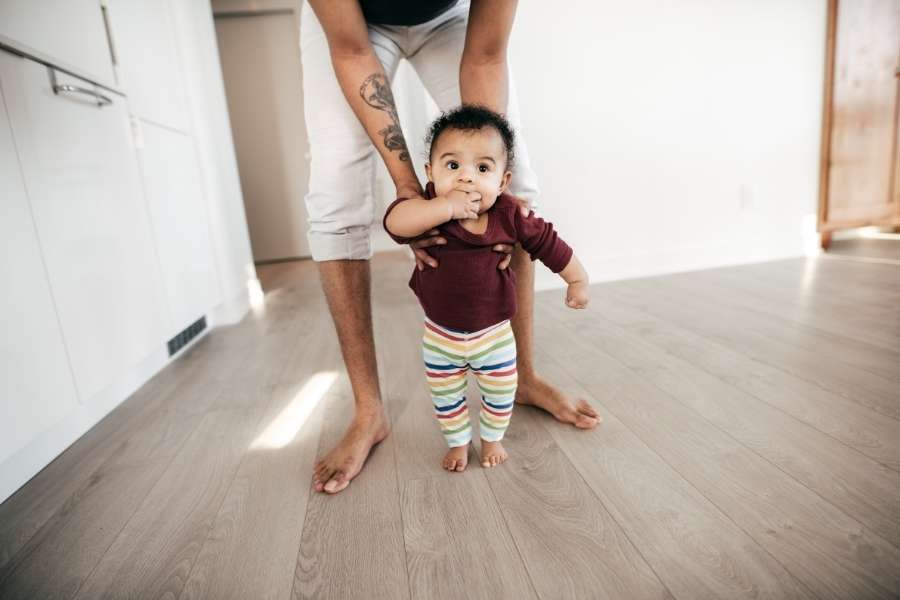
High-traffic hallways take a severe beating every day. Muddy shoes, pets, and constant footsteps wear down bad floors quickly. Choosing the right surface protects your home investment and saves money.
Finding the best pet friendly flooring options for busy hallways requires looking at real durability. You need materials that resist scratches, moisture, and daily wear. Let us find the perfect match for your home.
Critical Performance Factors for Busy Corridors
Hallways see more foot traffic than almost any other room. Standard surfaces fail fast without proper construction and protective layers. High-quality flooring materials must meet strict physical demands. When planning home climate control alongside interior updates, exploring ductless mini split vs central air helps balance overall home comfort and efficiency.
Key features dictate how long a floor survives in a hallway.
- Wear layer: Thicker coatings protect against continuous surface friction.
- Impact resistance: Dense cores prevent dents from dropped items.
- Moisture protection: Waterproof cores stop planks from swelling.
- Scratch resistance: Hard surfaces resist damage from sand and claws.
| Flooring Type | Lifespan | Moisture Resistance | Relative Cost | Hardness |
| Porcelain Tile | 50+ Years | Waterproof | High | Very High |
| Luxury Vinyl | 20-25 Years | Waterproof | Moderate | High |
| Laminate Planks | 15-25 Years | Moderate | Low to Moderate | High |
| Solid Hardwood | 50-100 Years | Low | High | Medium |
| Engineered Hardwood | 20-40 Years | Moderate | High | Medium |
Subfloor prep matters just as much as surface quality. Uneven subfloors cause even durable surfaces to crack or separate over time. Clean and level your subfloor before installing any new material.
Porcelain Tile: Maximum Strength for Extreme Traffic
Porcelain tile easily handles intense daily foot traffic. Manufacturers fire porcelain at extremely high temperatures. This process creates a dense material that absorbs virtually zero water. For outdoor patio spaces nearby, decorative features like fire glass, lava rock, or smooth fire stones create an equally durable and stylish finish.
Unmatched Scratch and Water Resistance
Porcelain tiles hold high PEI ratings for abrasion resistance. Sand, grit, and sharp pet claws cannot easily scratch porcelain. These durable surfaces keep their clean appearance in busy entryways.
Subfloor Requirements for Long-Term Tile Stability
Tile needs a firm subfloor to prevent cracks. Always install a quality uncoupling membrane over concrete or plywood. This layer absorbs movement and protects grout lines from snapping.
Sealed grout lines keep dirt out of deep crevices. Sweep away loose grit regularly to protect tile glaze.
Luxury Vinyl Plank: Waterproof Performance and Easy Fit
Luxury vinyl plank (LVP) combines soft step comfort with waterproof strength. It mimics real wood textures while surviving heavy spills. It works exceptionally well in homes with children and dogs.
Wear Layers and Core Technology
The top protective layer determines how well vinyl lasts. Busy family hallways need at least a 20 mil wear layer. Stone Polymer Composite (SPC) cores offer maximum resistance against heavy impacts.
Simple Installation Practices for Homeowners
Homeowners wanting to know how to install luxury vinyl plank flooring yourself love click-lock systems. These planks float over existing floors without messy glue.
- Measure the hallway width carefully before buying materials.
- Acclimate vinyl planks in the room for 48 hours.
- Lay down a thin underlayment if not pre-attached.
- Click planks together, leaving a small expansion gap along walls.
- Install baseboards to cover the edges and seal seams.
Thick SPC cores prevent subfloor bumps from showing through. They handle dropped keys and heavy boots without cracking.
High-Density Laminate: Exceptional Scratch Resistance
Modern laminate planks offer superior defense against scuffs and scratches. High-density cores make laminate harder on top than many natural woods.
AC Ratings Explained
The Abrasion Criteria rating shows how much wear laminate handles.
- AC1 to AC2: Suitable for low-traffic bedrooms only.
- AC3: Works for basic residential rooms.
- AC4: Designed for heavy residential traffic and busy hallways.
- AC5: Built for extreme commercial spaces.
Pick AC4 or AC5 laminate planks to stop scratches from pet claws and grit.
Managing Moisture in Hallways
Laminate cores can swell if standing water sits on seams. Choose water-resistant ranges with wax-coated edges for entry hallways.
Wipe up wet footprints promptly to prevent swelling edge damage.
Hardwood Floors: Classic Style Versus High Traffic
Real hardwood floors bring timeless beauty and warmth to hallways. However, wood requires careful selection and regular maintenance in high-traffic zones.
Janka Scale Hardness Ratings
Wood species vary significantly in natural density and hardness. The Janka rating measures how easily wood dents under pressure.
- Red Oak: Standard baseline hardwood option.
- White Oak: Stronger defense against everyday impacts.
- Hard Maple: Very dense wood with tight grain patterns.
- Brazilian Walnut: Extremely hard timber with deep natural colors.
Harder woods hold up better against heavy shoes and dog claws.
Solid Versus Engineered Hardwood
Solid wood allows multiple sanding sessions over its lifetime. Engineered hardwood handles humidity shifts better thanks to cross-laminated plywood layers.
Choose thick wear veneers on engineered wood for maximum lifespan.
Maintenance Comparison: Laminate and Hardwood Floors
Keeping hallway floors in top shape requires regular care. Different materials demand distinct cleaning habits to preserve their finish over time.
| Feature | Laminate Planks | Solid Hardwood Floors |
| Daily Cleaning | Sweep and use damp microfiber mop | Sweep with soft broom and wood cleaner |
| Moisture Care | Wipe spills quickly to protect seams | Clean liquids instantly to avoid stains |
| Surface Repairs | Replace damaged individual planks | Sand down and refinish worn areas |
| Pet Scratch Resistance | Excellent protection with AC4 ratings | Needs thick polyurethane protective coats |
| Refinishing Need | Cannot be sanded or refinished | Refinish every 7 to 12 years |
Smart buying choices balance durability against your lifestyle. High-traffic homes need materials that handle constant friction without wearing down quickly.
Checking scratch resistant flooring types for family homes leads many buyers toward vinyl or laminate. Both materials survive daily chaos without requiring expensive floor refinishing.
Reviewing a maintenance comparison between laminate and hardwood floors shows laminate saves effort daily. Hardwood demands more care, but offers unmatched natural style and long-term refinishing ability.
Learning how to install luxury vinyl plank flooring yourself saves significant installation labor costs. Rigid LVP installs quickly over a weekend with basic hand tools.
Foire aux questions
What is the single most durable flooring material for extremely busy residential corridors?
Porcelain tile is the most durable choice available today. It offers complete waterproof protection, extreme scratch resistance, and lasts for decades under heavy foot traffic.
How thick should the wear layer be on luxury vinyl plank for high-traffic areas?
Select a wear layer of at least 20 mils for busy hallways. This thickness protects vinyl against heavy scuffs, pet claws, and daily foot friction.
Can hardwood floors handle pet claws in busy hallways?
Hardwood handles pets if you choose dense species like White Oak or Maple. Protect the wood with multiple layers of high-grade polyurethane finish.
Is laminate or luxury vinyl better for entryways exposed to rain and snow?
Luxury vinyl plank is better because it is completely waterproof. Standard laminate planks can swell along the seams when exposed to standing water over time.