
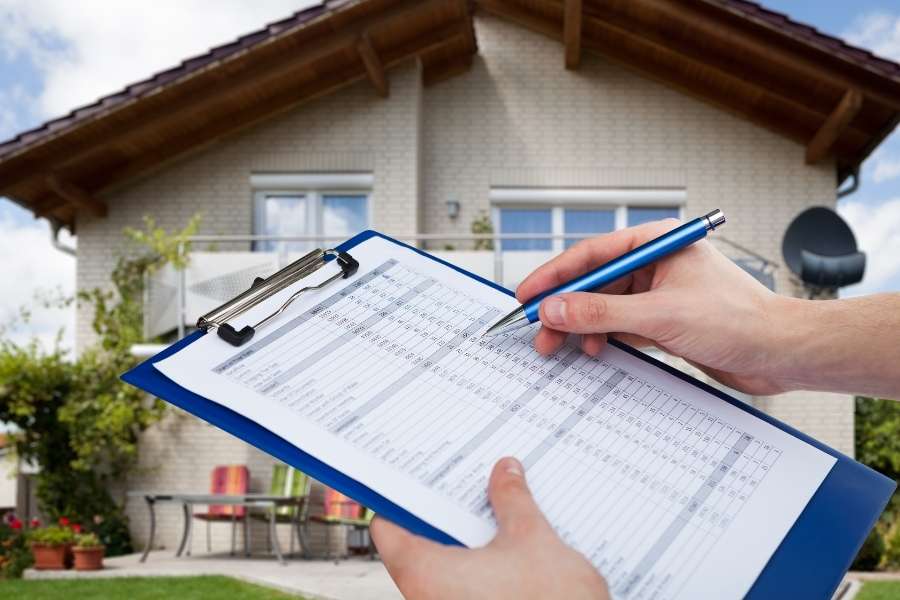
Falling in love with a property happens fast. Sparkling countertops and bright rooms easily blind eager buyers. However, hidden structural flaws often lurk right beneath fresh paint. Stepping into a contract blindly causes severe financial regret.
Booking a professional Home Inspection protects your wallet. It reveals the actual physical condition of the property. Knowing what inspectors look for in a house empowers your negotiations.
The American Society of Home Inspectors notes most sales involve professional reviews. Yet many buyers mistake major failures for simple cosmetic fixes. Let us examine the major red flags in home inspection reports.
Understanding the True Scope of a Property Evaluation
A standard review examines accessible structural elements non-invasively. Inspectors crawl into attics and check electrical outlets carefully. However, they cannot see through solid concrete or drywall. Learning how to spot property damage before buying gives you a major advantage during open houses. This step is even more critical if you plan to manage rental property afar, where distant maintenance becomes a real challenge.
1. Structural Integrity and Foundation Stability
The foundation supports your entire real estate investment. If it fails, the rest of the house shifts dangerously. Hydrostatic pressure and soil settlement trigger severe foundation compromise over time.
Pay attention to subtle warning signs around doors and windows. Do doors stick shut or swing open unexpectedly? Are there stair-step cracks across exterior brickwork? These symptoms signal active house movement.
Identifying deep foundation cracks early prevents massive financial damage. Furthermore, watch out for noticeably sloping floors. Roll a marble across hardwood to test floor levelness quickly. A thorough Home Inspection uses precision levels to verify central support beam health.
Pro Buyer Tip: The 1/4-Inch Rule Stop immediately if concrete cracks exceed 1/4 inch. Insist on an evaluation by a structural engineer before lifting contractual contingencies.
2. Roofing System Integrity and Overhead Protection
Your roof shields the interior against harsh weather. A damaged roof deck lets water ruin insulation and framing. Examiners evaluate shingle degradation, chimney flashing, and gutter paths.
Severe roof leakage represents a frequent, expensive property hazard. Even newer roofs fail if installers skip critical ice shields. Look closely for ceiling water rings or missing ridge shingles.
Data shows standard asphalt shingles last roughly 15 to 20 years. Budget for a full replacement if the roof approaches two decades. Localized patch repairs rarely solve underlying age issues.
| Roofing Material Type | Expected Lifetime | Average Replacement Cost | Primary Failure Symptoms |
| Architectural Asphalt Shingles | 18 – 25 Years | $8,000 – $15,000 | Curling edges, missing granules, roof leakage |
| Standing Seam Metal | 40 – 70 Years | $18,000 – $35,000 | Loose fastener seals, surface corrosion, panel rust |
| Clay or Concrete Tiles | 50 – 100 Years | $20,000 – $45,000 | Cracked tiles, degraded underlayment membrane |
3. Outdated or Hazardous Electrical Wiring Systems
Electrical safety is critical when evaluating a target property. Outdated electrical setups pose immediate fire hazards. Inspectors open main service panels to verify grounding and wire sizes.
Dangerous electrical wiring setups like knob-and-tube represent major red flags. Vintage aluminum branch wiring also triggers severe insurance hurdles. Most insurers reject ungrounded systems until owners install modern copper cabling.
Watch out for risky DIY wiring modifications. Exposed wire splices and missing GFCI outlets signal sloppy maintenance. Fixing these hazards requires hiring a licensed electrician.
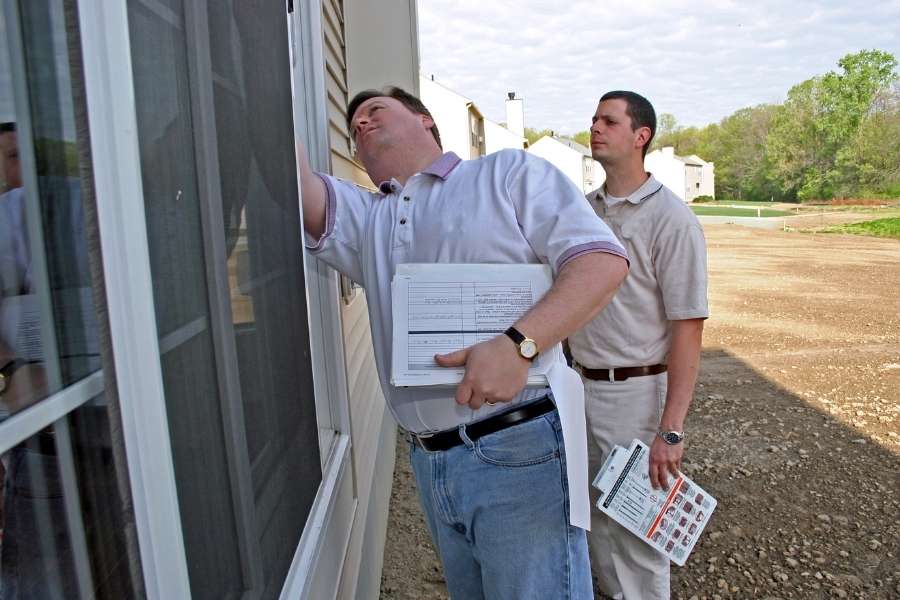
Evaluating Subsurface and Mechanical Infrastructure
Now focus on mechanical systems hidden behind walls and under floors. These infrastructure components operate continuously in the background. System failures cause rapid, expensive property destruction. Knowing how to spot these issues helps you structure real estate deals reduce financing costs by avoiding costly unexpected repairs down the road.
4. Water Supply and Waste Plumbing Deficiencies
Slow pipe leaks silently rot structural floor joists over months. A proper review tests water pressure, pipe materials, and water heaters.
Substantial plumbing issues stem from obsolete galvanized or polybutylene pipes. Galvanized steel corrodes internally, restricting household water flow. Polybutylene pipes burst unexpectedly due to municipal water additives.
Always evaluate the underground main sewer lateral line. Tree root invasion can cause raw sewage backups. Renting a specialized sewer scope camera prevents costly underground surprises.
Expert Advice: The Sewer Scope Necessity Order a sewer video inspection for homes built before 1985. Replacing main lines under driveways frequently exceeds $10,000.
5. Environmental Contamination and Mold Infestation
Indoor air quality directly affects your daily household health. Trapped indoor moisture allows organic spores to grow rapidly on wooden studs and drywall.
Discovering a severe mold infestation points to hidden, unaddressed water leaks. Toxic black mold causes serious respiratory distress and severe health issues.
Remediating widespread contamination requires specialized hazardous containment protocols and heavy air scrubbing. If your examiner spots dark patches, demand professional air sampling tests immediately.
| Issue Type | Common Location | Primary Root Cause | Estimated Remediation Cost |
| Black Mold Growth | Basements, Attics, Showers | High indoor humidity, water leaks | $2,500 – $8,000+ |
| Termite Infestation | Sills, Joists, Wooden Decks | Ground-to-wood contact, soil moisture | $1,500 – $5,000 |
| Severe Foundation Crack | Basement Perimeter Walls | Hydrostatic pressure, soil settling | $5,000 – $25,000+ |
| Polybutylene Pipe Replacement | Throughout Entire House | Defective legacy piping materials | $4,000 – $12,000 |
6. Heating, Ventilation, and Air Conditioning Systems
Replacing HVAC equipment is a massive individual property expenditure. Examiners check supply air temperatures, ignition components, and ductwork distribution.
A failing HVAC system exhibits clear warning signs. Listen for screeching belts and look for heavy burner rust. Units older than 15 years operate inefficiently, raising energy bills significantly.
Cracked furnace heat exchangers pose lethal carbon monoxide risks. Evaluators must shut down damaged units immediately to keep occupants safe.
7. Subterranean Pests and Wood-Destroying Organisms
Wood-destroying insects eat floor joists and wall studs from the inside. A thorough pest inspection is essential before committing to purchase.
Look for hollow wooden beams, mud tubes, and discarded insect wings. Termites cause billions in structural damage annually across North America. Standard home insurance policies never cover termite repair expenses.
Require formal clearance certificates from licensed exterminators if active colonies exist. This forces sellers to pay for chemical treatments and wood replacements.
Essential Inquiries to Ask During the Evaluation Walkthrough
Attending your evaluation walkthrough in person yields massive practical benefits. Walking alongside your examiner lets you view structural defects firsthand. Take photos and ask clear questions throughout the walkthrough.
Review these key questions to ask your home inspector:
- What is the most urgent safety issue discovered today?
- Are these physical defects localized or widespread?
- Which repairs require immediate professional intervention?
- Do we need specialized structural or electrical engineering evaluations?
- Would you buy this specific property for your family?
Documenting verbal answers provides powerful negotiation leverage. You can request price reductions, insist on repairs, or cancel contracts cleanly.
Frequently Asked Questions
1. How long does a typical professional property evaluation take to complete?
Standard evaluations for typical single-family homes take 2 to 4 hours. Larger estates or historic properties take longer to examine fully.
2. Should I ever walk away from a deal based purely on an assessment report?
Yes, absolutely. Walking away makes sense when sellers refuse to address severe structural damage, toxic mold, or hazardous wiring.
3. Can a property fail its official buyer evaluation?
Technically, no. Inspections are not pass/fail tests. They simply provide objective status reports detailing physical building conditions.
4. What items are explicitly excluded from a standard residential inspection?
Standard reviews exclude internal wall cavities, underground sewer main lines, pool plumbing, and security alarm systems.
5. Who pays for the property assessment fee, and when is it due?
The buyer pays the inspector directly at the time of service. Costs range from $350 to $600 based on property size and location.
Making Your Final Move with Total Confidence
Purchasing real estate feels intense, but clear facts keep you in control. Never let excitement blind you to major inspection warnings. A luxury kitchen cannot make up for flooded basements or hazardous wiring.
Treat your report as a crucial financial decision tool. Work with your agent to negotiate repairs or credits before signing final papers. Have you ever backed out of a contract after an inspection, or did you negotiate a massive price drop? Share your experiences in the comments below!